

A confident smile can influence first impressions, professional interactions, and even how you feel about yourself. Over time, however, daily habits and natural aging can dull the brightness of your teeth. If you are considering cosmetic treatment, it is natural to ask: what will the process involve, and what kind of results can you realistically expect?
Understanding what to expect from teeth whitening helps you make informed decisions about your oral health. Professional whitening is a safe and effective way to enhance your smile when performed under dental supervision. Whitening is not simply about appearance—it is about restoring confidence while maintaining healthy teeth and gums.
In this comprehensive Vivid Dental Greensboro guide, we will walk through the whitening process, expected outcomes, safety considerations, costs, and aftercare. By the end, you will have a clear understanding of whether this treatment aligns with your goals.
What to Expect From Teeth Whitening
When patients ask about what to expect from teeth whitening, the answer begins with clarity and preparation. Teeth whitening is a controlled cosmetic procedure designed to lighten the natural shade of your teeth.
It does not alter tooth structure or replace restorations. Instead, it reduces stains and discoloration embedded within enamel.
You can generally expect:
- A consultation and oral evaluation
- A customized treatment plan
- Noticeable shade improvement
- Possible temporary sensitivity
- Results that can last months or even years with proper care
Think of whitening as polishing a lens. Your teeth already possess natural brightness; the treatment simply removes the film that obscures it.
What Is Teeth Whitening?
Teeth whitening is a cosmetic dental procedure that uses peroxide-based agents to break down stain molecules inside enamel. The whitening gel penetrates the surface and initiates a chemical reaction that makes discoloration less visible.
How Whitening Removes Stains
The active ingredients—typically hydrogen peroxide or carbamide peroxide—release oxygen molecules. These molecules break apart stain compounds into smaller fragments, reducing their color intensity. Over time, teeth appear lighter and more uniform.
The Difference Between Whitening and Cleaning
Professional dental cleaning removes plaque, tartar, and surface debris. Whitening, on the other hand, changes the intrinsic color of the tooth. Cleaning promotes oral health; whitening enhances aesthetics. Both are important, but they serve different purposes.
Types of Teeth Whitening Options
Choosing the right whitening method depends on your goals, timeline, and oral health condition.
In-Office Professional Whitening
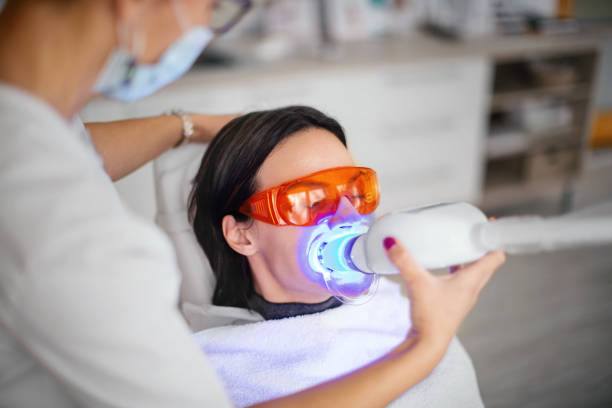
This option provides the most immediate and dramatic results. Performed in a dental setting, in-office whitening uses higher-concentration whitening agents. The procedure typically takes 60 to 90 minutes, and many patients see significant improvement after just one appointment.
Take-Home Professional Whitening Kits
Dentists may provide custom-fitted trays and professional-grade gel for at-home use. These trays ensure even distribution of the whitening agent and minimize gum irritation. Results develop gradually over one to two weeks.
Over-the-Counter Whitening Products
Store-bought strips, pens, and whitening toothpaste are widely available. While more affordable, they contain lower concentrations of active ingredients and may produce modest or inconsistent results.
Causes of Tooth Discoloration
Understanding the source of discoloration helps determine the most effective treatment.
Food and Beverage Stains
Coffee, tea, red wine, and deeply pigmented foods contain chromogens—color-producing compounds that adhere to enamel.
Smoking and Tobacco Use
Nicotine and tar create stubborn yellow or brown stains that often require professional intervention.
Aging and Enamel Thinning
As enamel thins with age, the naturally darker dentin beneath becomes more visible.
Medication-Related Staining
Certain antibiotics and medical treatments can cause intrinsic discoloration that may respond differently to whitening.
Who Is a Good Candidate for Teeth Whitening
Not everyone is an ideal candidate, which is why a professional evaluation is essential.
Healthy Teeth and Gums
Patients should have healthy gums and be free of untreated cavities before whitening.
Types of Stains That Respond Best
Yellow-toned stains generally respond better than gray or bluish discoloration.
Situations Where Whitening May Not Be Recommended
Patients with significant enamel erosion, untreated dental conditions, or extensive restorations may require alternative cosmetic solutions.
What Happens During an In-Office Whitening Appointment
Professional whitening is a structured and carefully monitored procedure.
Initial Dental Exam and Shade Selection
Your dentist evaluates oral health and records your baseline tooth shade to measure improvement.
Gum and Lip Protection
A protective barrier shields gums and soft tissues from irritation.
Application of Whitening Gel
The whitening agent is applied evenly across the teeth.
Activation With Light or Laser (If Used)
Some systems use specialized light to accelerate the whitening process. After treatment, the gel is removed, and the new shade is assessed.
How Long Does Teeth Whitening Takes
Duration of In-Office Treatments
Most in-office treatments are completed within a single visit lasting approximately 60 to 90 minutes.
Timeline for Take-Home Kits
Take-home kits typically require daily application over one to two weeks.
When Results Become Noticeable
In-office whitening produces immediate results. At-home treatments reveal gradual improvements over several days.
What Results to Expect
Realistic expectations are essential when considering whitening.
Average Shade Improvement
Many patients achieve a 3 to 8 shade improvement, depending on their starting point.
Factors That Affect Final Results
- Original tooth color
- Type and severity of stains
- Lifestyle habits
- Consistency with aftercare
Before-and-After Expectations
Whitening enhances your natural smile. It does not create an artificial or opaque appearance but restores brightness in a balanced, natural-looking way.
Does Teeth Whitening Hurt?
Discomfort is typically minimal.
Common Sensations During Treatment
Some patients report mild tingling or warmth during application.
Temporary Tooth Sensitivity
Sensitivity to hot or cold temperatures may occur for 24 to 48 hours.
How Dentists Minimize Discomfort
Desensitizing agents, customized trays, and careful monitoring significantly reduce the risk of irritation.
Managing Sensitivity After Whitening
Proper aftercare ensures comfort and longevity of results.
Desensitizing Toothpaste
Using toothpaste formulated for sensitive teeth can help soothe nerve endings.
Avoiding Extreme Temperatures
Choose lukewarm foods and beverages for the first couple of days.
Dentist-Recommended Aftercare
Follow all professional instructions, including recommended oral hygiene practices and dietary precautions.
What Teeth Whitening Can and Cannot Do
Whitening has clear advantages, but it also has limitations.
Treating Yellow vs. Gray Stains
Yellow stains respond more predictably than gray discoloration.
Limitations With Crowns, Veneers, and Fillings
Restorations do not change color during whitening.
Why Some Teeth Don’t Whiten Evenly
Variations in enamel thickness or previous dental work may lead to slight differences in shade.
Safety of Professional Teeth Whitening
Professional supervision plays a critical role in safety.
Why Dentist-Supervised Whitening Is Safer
A dentist ensures that whitening agents are used appropriately and safely.
Risks of Overusing Whitening Products
Excessive or improper use may weaken enamel or irritate gums.
Protecting Enamel and Gums
Customized treatment plans help preserve enamel integrity while achieving effective results.
Foods and Drinks to Avoid After Whitening
Your teeth may be more susceptible to staining immediately after treatment.
The “White Diet” Explained
For 24 to 48 hours, avoid dark-colored foods such as coffee, tea, berries, and red wine.
How Long to Avoid Staining Foods
Maintaining caution for at least two days helps protect your results.
Best Beverages After Whitening
Water remains the safest and healthiest option.
Oral Hygiene After Whitening
Maintaining results requires consistency.
Brushing and Flossing Recommendations
Brush twice daily with a soft-bristled toothbrush and floss daily.
Choosing the Right Toothpaste
Select non-abrasive toothpaste to protect enamel.
Maintaining a Bright Smile
Routine dental checkups and cleanings at Vivid Dental Greensboro extend the longevity of whitening results.
Cost of Teeth Whitening
Costs vary based on treatment type and location.
| Treatment Type | Average Cost | Duration | Results |
| In-Office | $400–$800 | 1 Visit | Immediate |
| Take-Home Kit | $200–$400 | 1–2 Weeks | Gradual |
| OTC Products | $20–$100 | Several Weeks | Mild |
Professional whitening at Vivid Dental Greensboro often provides greater value due to safety, customization, and long-lasting results.
Choosing the Right Whitening Option
Selecting the appropriate option depends on individual goals.
Matching Treatment to Your Goals
If you need immediate results for an upcoming event, in-office whitening may be ideal.
Budget and Time Considerations
Take-home kits provide flexibility at a moderate cost.
Professional Guidance Matters
Consultation with a dental professional at Vivid Dental Greensboro ensures that your chosen treatment aligns with your oral health needs.
Vivid Dental Greensboro: Professional Whitening for Brighter Smiles
If you are seeking professional whitening services in Greensboro, NC, Vivid Dental Greensboro offers patient-centered care grounded in clinical excellence. Conveniently located at 11126 N Church Street, Suite 102, Greensboro, NC 27401, our practice welcomes new patients and provides comfortable care focused on overall health.
Open Monday through Thursday from 7 AM to 4 PM, we prioritize individualized treatment plans and advanced dental technology. Every member of the team is committed to delivering outstanding dental care and creating a welcoming, family-like environment. We go beyond routine treatment by taking the time to understand your concerns and goals.
Across North Carolina, Vivid Dental is known for premium, gentle care. If you are considering whitening, our experienced team can help you achieve a brighter smile safely and comfortably. Contact us and schedule your appointment today.
Conclusion
A brighter smile can positively influence both personal and professional interactions. By understanding what to expect from teeth whitening, you can approach treatment with confidence and realistic expectations. From consultation to aftercare, professional whitening is a structured and safe process when performed under dental supervision.
At Vivid Dental Greensboro, patients receive thoughtful, individualized care that prioritizes both aesthetics and long-term oral health. If you are ready to enhance your smile, their dedicated team is prepared to guide you every step of the way. A healthier, more radiant smile may be closer than you think.
Frequently Asked Questions
How white will my teeth get?
Most patients experience a 3 to 8 shade improvement, depending on the type and severity of stains.
How soon can I eat or drink after whitening?
You may eat after about 30 to 60 minutes, but it is advisable to follow a white diet for 24 to 48 hours.
How often can I whiten my teeth?
Professional whitening is typically recommended once per year, though your dentist may adjust this based on your needs.
How does Vivid Dental Greensboro ensure safe whitening?
The team conducts thorough examinations, customizes treatment plans, uses protective measures for gums, and carefully monitors the procedure to ensure patient comfort and safety.
Is teeth whitening permanent?
No, results gradually fade over time. Maintenance and good oral hygiene help extend longevity.
Can sensitive teeth be whitened?
Yes, with professional supervision and appropriate desensitizing measures, many patients with sensitivity can safely undergo whitening.